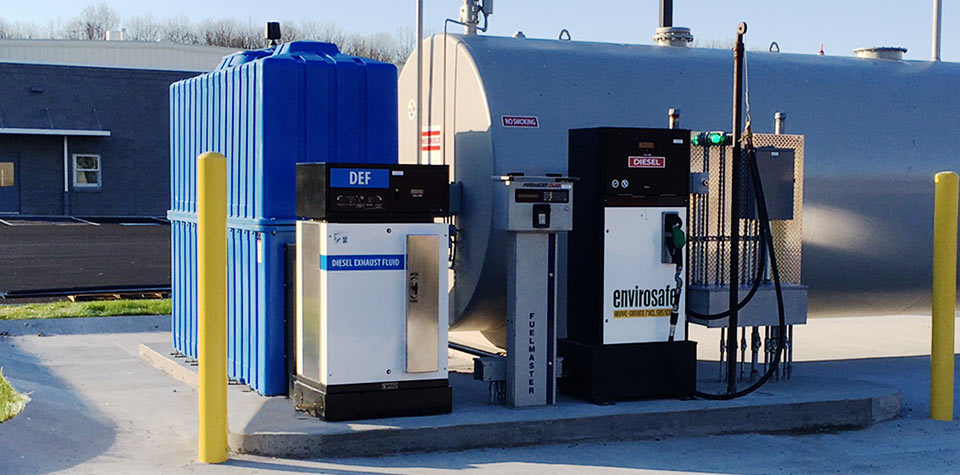
Fleet operators today face mounting challenges: increasing fuel costs, strict emission regulations, and the constant pressure to improve efficiency. Amid these challenges, Diesel Exhaust Fluid (DEF) plays a vital role in maintaining compliance and optimizing fleet performance. For any fleet using diesel-powered vehicles with Selective Catalytic Reduction (SCR) systems, DEF is not just necessary—it’s essential.
Table of Contents
- The Critical Role of Diesel Exhaust Fluid (DEF)
- Why Bulk DEF Is the Smarter Choice
- DEF in the Context of the Energy and Fuel Industry
- The Impact of DEF Mismanagement on Fleet Operations
- Working with the Right DEF Supplier
- Custom Solutions for Fleets of All Sizes
- Environmental Benefits and Compliance
- DEF Management as Part of Sustainability Strategy
- The Future of DEF in a Changing Industry
- FAQs
- Final Thoughts
But it’s not just having DEF that matters—it’s how you manage it. That’s where solutions like bulk DEF are transforming the game.
The Critical Role of Diesel Exhaust Fluid (DEF)
Diesel exhaust fluid is designed to reduce harmful nitrogen oxide (NOx) emissions from diesel engines. Without it, trucks equipped with SCR technology will enter limp mode or shut down entirely—bringing deliveries and operations to a halt. DEF is required by law in most industrialized nations, making it a core component of daily fleet operations.
What many don’t realize is that how DEF is stored, distributed, and replenished can greatly affect operational costs, uptime, and efficiency.
Why Bulk DEF Is the Smarter Choice
Transitioning from the traditional method of purchasing diesel exhaust fluid in small containers or jugs to implementing a bulk DEF storage and dispensing system can bring a wide range of operational and financial benefits for businesses that manage multiple diesel-powered vehicles.
Switching from purchasing small containers or jugs to using bulk DEF can offer numerous advantages for businesses managing multiple vehicles:

1. Consistent Supply and Fewer Interruptions
When DEF runs out unexpectedly, vehicles are immobilized. Bulk storage ensures a consistent supply, allowing drivers to refill easily before starting routes. No more detours to service stations or emergency purchases.
2. Significant Cost Reductions
DEF purchased in jugs or drums often carries a premium. Bulk DEF purchased in larger volumes costs significantly less per gallon. These savings multiply rapidly across an entire fleet.
3. Faster Refueling Times
On-site dispensing pumps make it easy and fast for drivers to refill DEF tanks alongside diesel fuel. This reduces turnaround time at the yard, enabling more deliveries per day.
4. Cleaner, Safer Handling
DEF must remain uncontaminated to function properly. Bulk systems reduce handling and exposure, lowering contamination risk. Leading DEF suppliers also offer closed-loop systems for spill-free transfer.
5. Automated Monitoring and Reordering
Many DEF companies now offer digital monitors with their bulk systems. These systems alert you when your tanks are low, streamlining, reordering and preventing emergencies.
DEF in the Context of the Energy and Fuel Industry
Though not derived directly from crude oil, DEF is deeply linked to the diesel fuel ecosystem. With growing awareness around emissions and sustainability, the industry DEF market has seen increasing demand and innovation.
Discussions around emissions reduction often include crude oil DEF as a reference point for how DEF usage helps offset pollutants generated by crude-derived diesel. As fuel standards evolve, the integration of DEF solutions alongside renewable fuels will likely expand—driving the need for reliable bulk infrastructure.
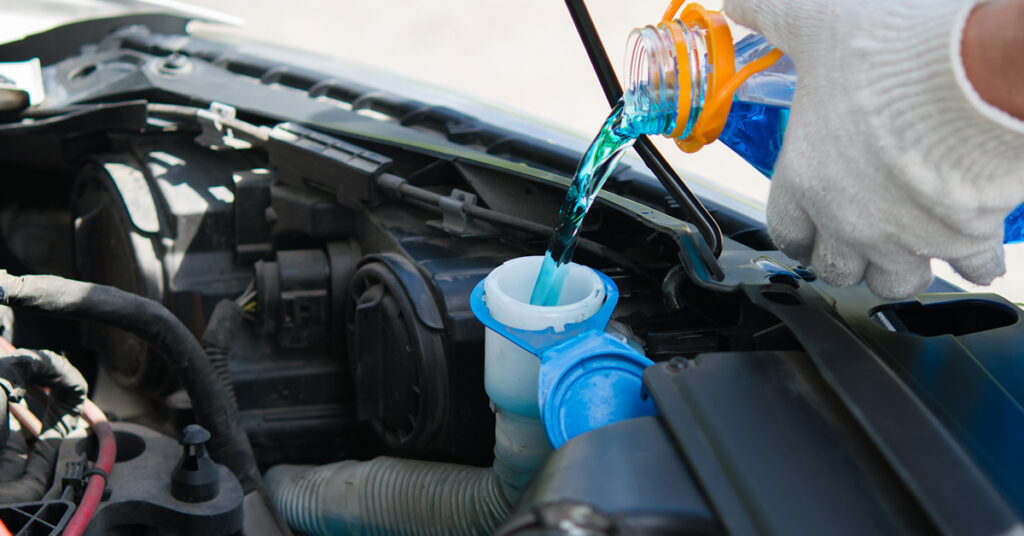
The Impact of DEF Mismanagement on Fleet Operations
Fleet managers often underestimate the consequences of poor DEF handling. Contaminated or low-quality DEF can severely damage SCR systems, leading to engine failures, downtime, and expensive repairs. Replacing SCR components is not only costly but also time-consuming—vehicles could be sidelined for days.
This is why it’s crucial to use only API-certified diesel exhaust fluid sourced from a reputable DEF supplier. Bulk storage adds another layer of protection by reducing the frequency of container handling, which is a common point of contamination.
In an era where uptime equals profit, investing in bulk DEF isn’t just operationally smart—it’s financially essential.
Working with the Right DEF Supplier
A successful DEF strategy hinges on the reliability of your DEF supplier. Look for a partner that offers:
- Bulk delivery and refilling schedules.
- Tank installation and maintenance services.
- Quality assurance and API certification.
- Remote monitoring and reporting features.
So the reputable DEF company won’t just drop off fluid—they’ll support your operational goals with scalable, future-ready infrastructure.

Custom Solutions for Fleets of All Sizes
Not every fleet needs a 5,000-gallon tank. Bulk DEF systems come in a range of sizes, including:
- 275-gallon totes (ideal for smaller fleets or satellite yards)
- 500–1,000 gallon intermediate tanks
- Large stationary tanks with remote monitoring for major operations
These solutions can be tailored to fit space limitations, climate considerations (such as heated tanks for colder regions), and budget constraints.
Environmental Benefits and Compliance
In addition to performance and cost advantages, bulk DEF systems align with environmental best practices:
- Reduces single-use plastic waste from disposable jugs
- Supports cleaner engine operation with fewer emissions
- Helps meet EPA and ISO 14001 environmental standards
Sustainability is no longer optional for businesses. Efficient diesel exhaust fluid management plays a key role in achieving compliance and reducing your fleet’s carbon footprint.

DEF Management as Part of Sustainability Strategy
More companies today are aligning their logistics practices with environmental and ESG (Environmental, Social, Governance) goals. Since DEF directly supports emissions reduction, it naturally becomes a part of the broader sustainability strategy.
Implementing bulk DEF storage not only supports cleaner fleet operations but also provides measurable data for environmental reporting. With telemetry and reporting systems integrated by leading DEF companies, businesses can monitor DEF usage, fuel consumption, and emissions impact in one unified dashboard.
This level of insight also helps logistics providers position themselves as environmentally responsible and compliant—an advantage in today’s sustainability-focused market.
The Future of DEF in a Changing Industry
As the transportation industry evolves with electric vehicles (EVs), renewable fuels, and carbon reduction targets, diesel exhaust fluid will remain relevant for years. Diesel-powered vehicles will continue to dominate long-haul freight and heavy industry for the foreseeable future.
Even in transitional energy markets, diesel exhaust fluid plays a critical role in reducing the environmental footprint of existing fleets. With industry DEF standards becoming more refined and crude oil DEF impacts under greater scrutiny, choosing the right DEF company will become more strategic than ever.
Looking ahead, expect more innovations such as:
- Solar-powered DEF dispensers
- AI-powered fleet usage forecasting
- Mobile app-based tank monitoring
- DEF packaging alternatives for circular economy goals
By investing now in scalable bulk DEF systems, fleets can prepare for a future that demands both operational excellence and environmental responsibility.
FAQs
How does diesel exhaust fluid reduce emissions?
DEF breaks down NOx emissions from diesel engines into harmless nitrogen and water vapor, helping vehicles comply with emissions regulations.
Can I use the same DEF across all my fleet vehicles?
Yes, as long as the DEF meets API standards, it can be used across any SCR-equipped diesel vehicle.
Is bulk DEF safe to store long-term?
Yes, when stored in proper temperature conditions (between 12°F and 86°F) and in sealed tanks, DEF remains stable for up to a year or longer.
What should I look for in a DEF company?
Choose a supplier with transparent pricing, reliable delivery, API-certified products, and support services like tank installation and automated monitoring.
How often do I need to refill DEF tanks in vehicles?
Typically, DEF consumption is about 2–3% of diesel fuel use. For every 100 gallons of diesel, a truck may need 2–3 gallons of DEF.
Final Thoughts
For fleet managers focused on efficiency, uptime, and environmental responsibility, investing in bulk DEF is a no-brainer. It streamlines operations, cuts per-gallon costs, reduces risks, and supports regulatory compliance.
As diesel exhaust fluid becomes even more central to modern fleet performance, having the right storage and supply strategy is critical. Whether you’re operating ten vehicles or ten thousand, working with a trusted DEF supplier and implementing the right bulk system can help you drive further, cleaner, and more cost-effectively.